
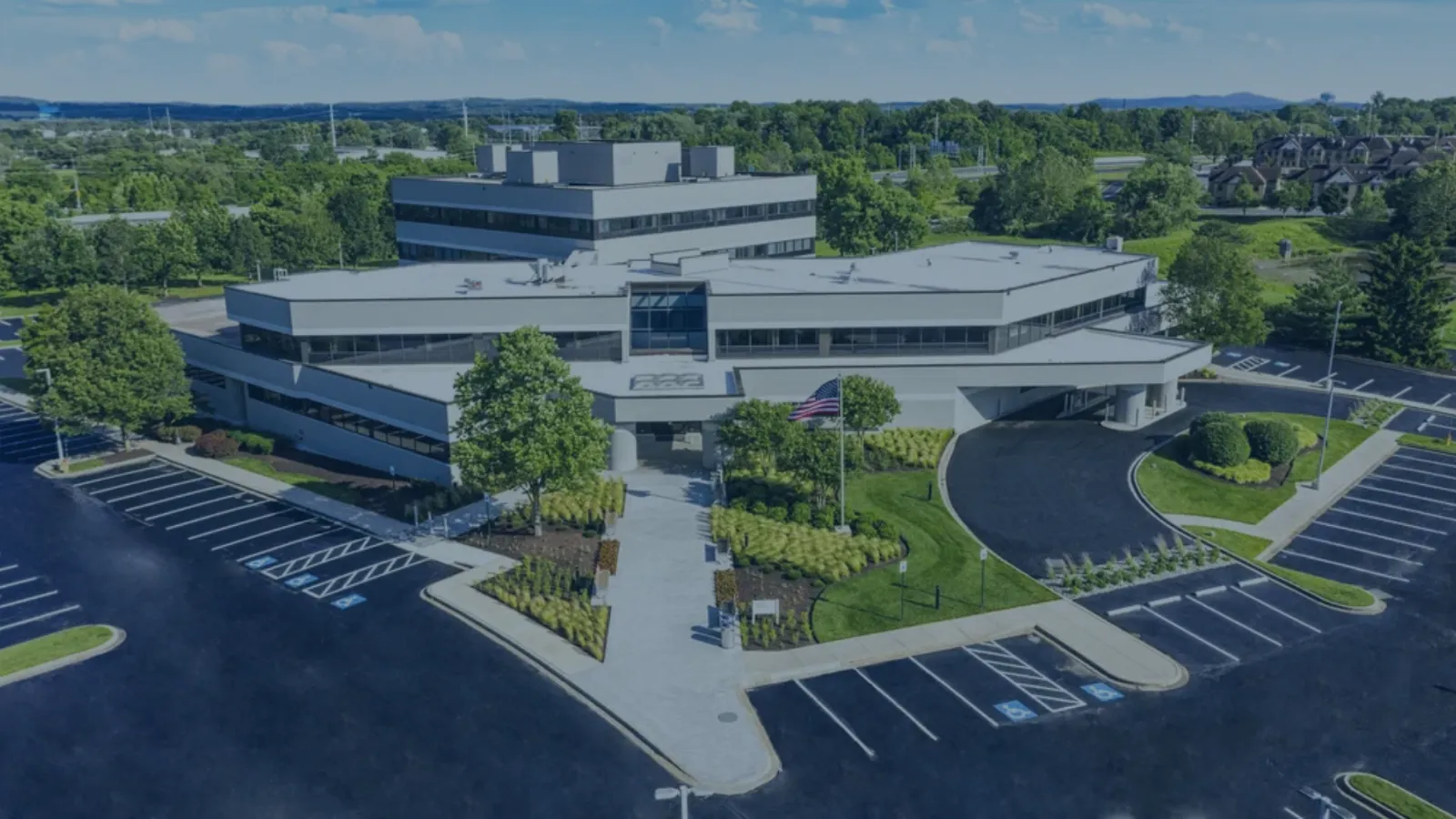
A medical tenant’s success depends on patient volume in a way most commercial tenants never have to think about. A retail shop can lean on delivery or online ordering to offset a rough location. A dental practice, a PT clinic, or an urgent care can’t manufacture patients if the building itself is working against them.
That’s the risk property owners are managing every time they buy, lease, or reposition medical space in Frederick. It’s not always the rent or the finish-out that strains a lease. It’s the slow accumulation of small frictions, a parking lot that’s tight before 9 a.m., or a wayfinding problem at the entrance that can eventually contribute to a non-renewal. By the time it does, the owner may have lost months of goodwill they didn’t know they were losing.
Why Patients Grade Buildings Differently
Healthcare patients often arrive anxious about an appointment, managing mobility limitations, or juggling a tight schedule between work and childcare. A building that makes the visit harder, even in small ways, gets remembered. In a market like Frederick, where many services are available across multiple locations, that experience can influence where patients book next time.
This is a bigger factor than most owners account for during acquisition or leasing. A building can check every box on a rent roll and still struggle to hold onto medical tenants if the physical experience of getting in and out doesn’t work for the people the tenant depends on.
The Factors That Actually Move the Needle
A handful of physical and locational factors do most of the work in whether a medical building keeps its tenants, and its exam rooms, full.
Parking capacity and visibility. Medical visits are appointment-driven and time-sensitive in a way retail visits aren’t. A patient circling a lot for a spot before an 8 a.m. appointment isn’t a minor inconvenience; it’s a source of frustration before the visit even begins. Buildings along high-demand corridors like Thomas Johnson Drive, where practices cluster near Frederick Health Hospital, can feel this pressure during peak morning and lunch-hour blocks.
Wayfinding and access. Clear signage and an ADA-compliant, obvious path from the lot to the suite matter greatly for medical tenants, given that some patients are older adults or people managing mobility challenges.
Proximity to complementary providers. Medical tenants often depend on referral networks more than foot traffic. A dentist near an orthodontist, or a PT clinic near an orthopedic group, tends to see stronger patient flow than one sitting in isolation. Buildings near Frederick Health Hospital, outpatient campuses, imaging centers, and pharmacies benefit from these established referral patterns in a way an isolated building simply can’t replicate.
Proximity to everyday amenities. Coffee shops, pharmacies, and banks nearby can make a medical visit easier to combine with the rest of a patient’s day. Medical space near Westview South or the Route 85 corridor can benefit from nearby retail and services, while practices around Thomas Johnson Drive have convenient access to the Clemson Corner retail area near US-15.
Corridor access. Easy reach to US-15, I-70, and I-270 widens the pool of patients a practice can realistically serve, which matters for specialty tenants drawing from across Frederick County and the surrounding region rather than just the immediate neighborhood.
Who else is in the building. Noise, operating hours, and foot traffic from neighboring tenants affect the patient experience more than owners tend to expect. A high-turnover retail neighbor or a tenant with mismatched hours can quietly undercut a medical suite’s appeal, even when the space itself is well maintained.
None of this shows up cleanly on a rent roll. All of it shows up in whether a medical tenant renews.
Aushco Pro-Tip: Before listing or repositioning a medical space, walk the site the way a patient would, not the way a broker would. Park in the lot, find the entrance, and time how long it takes. If it’s frustrating on a good day, it’s worse for someone already anxious about a medical appointment.
Why This Matters More in a Market Like Frederick
Frederick’s healthcare footprint has grown well beyond the main hospital campus. Frederick Health reports more than 4,000 team members and more than 25 locations, including several services and practices on Thomas Johnson Drive. That concentration helps explain the corridor’s appeal for medical office users: it offers proximity to Frederick Health Hospital without being on the hospital campus. South of the city, Ballenger Creek and Westview South sit within a long-established commercial and employment area organized around the Route 85 corridor, with access to I-270 and I-70. Frederick Health Village adds another example of care delivered away from the main hospital campus. Together, these locations reinforce a practical point for owners: providers value sites that make outpatient visits easy to reach and navigate.
Frederick’s position between the Washington and Baltimore metro areas gives specialty practices access to patients from beyond the immediate city. That broader draw raises the bar for what “good enough” looks like: owners competing for medical tenants are also competing with buildings designed around efficient patient access and flow.
How Aushco Approaches Medical Site Positioning
We evaluate and position medical properties the way an operator would, not just the way a listing sheet does. In practice, that means:
- Assessing parking ratios against real patient-hour demand, not just square footage
- Mapping nearby referral sources and complementary practices
- Flagging access or wayfinding issues before they become a tenant’s problem, and an owner’s vacancy
- Weighing corridor access and neighboring tenants alongside the usual site fundamentals
- Building the site’s story around the patient experience, not just price per square foot
Whether you’re buying a medical building, leasing one out, or trying to understand why a tenant you already have might be looking elsewhere, this is the lens that protects long-term occupancy and asset value in a market where patients, not just brokers, decide which buildings win.
The Bottom Line
The buildings that retain medical tenants in Frederick aren’t always the newest or the flashiest. They’re the ones where patients can get in the door without a fight, where referral partners are a short drive (or walk!) away, and where the everyday details—parking, signage, neighboring tenants— work in the tenant’s favor instead of against them.
Contact Aushco today to talk through your medical property, whether you’re buying, leasing, or repositioning an asset you already own.
Reach us at info@aushco.com / 240-578-4220.