
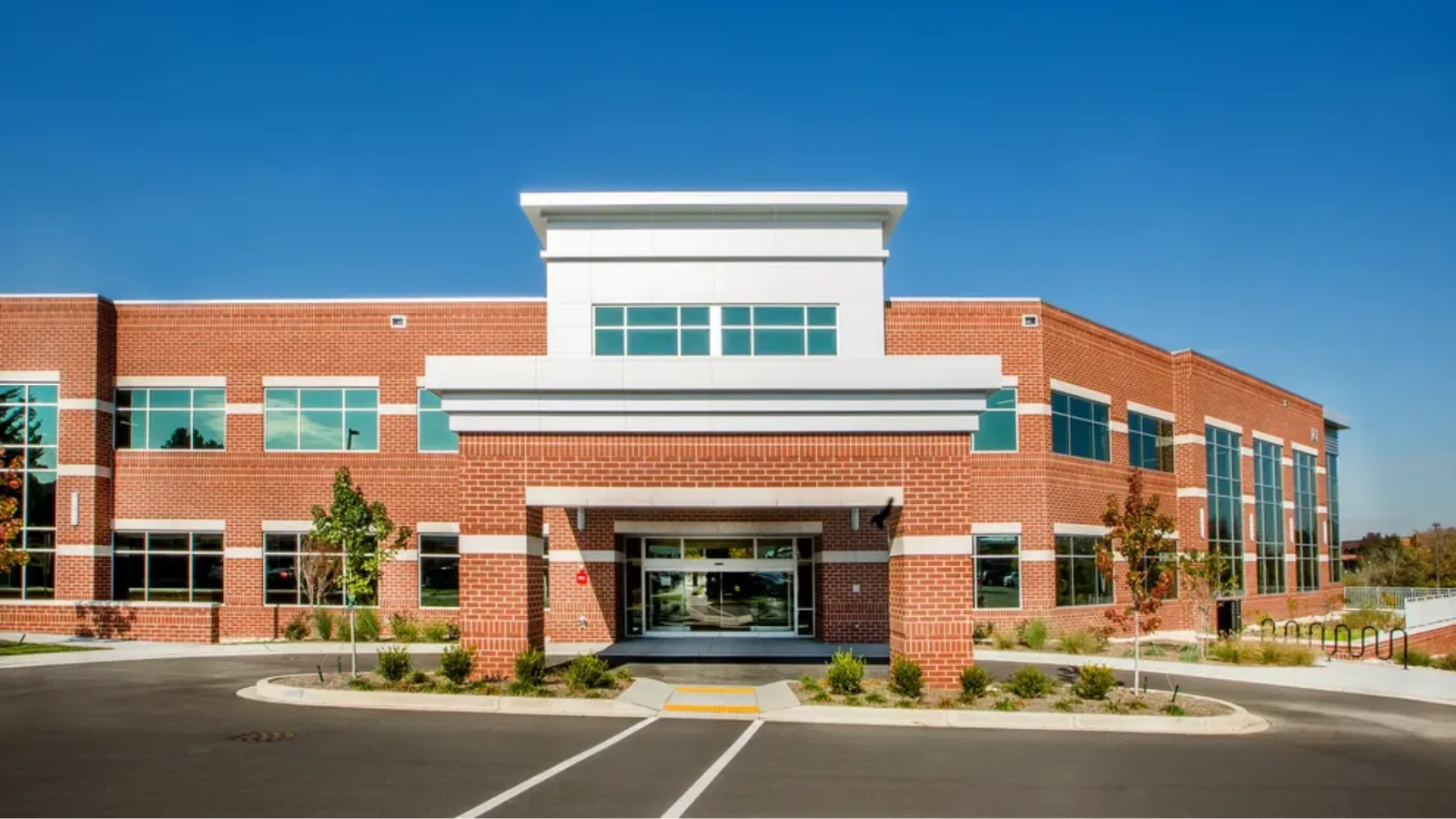
Imagine you own a medical office building in Frederick. It’s in a good location, your tenants have been there for years, and the property has been a reliable investment.
But lately, things have changed.
One suite has been vacant for six months. Another tenant wants upgrades before renewing their lease. The HVAC system is aging, maintenance costs are climbing, and rental income hasn’t kept pace.
You’re still collecting rent, but the building isn’t performing like it used to.
So, do you invest more money, explore refinancing, or consider selling?
For anyone managing a medical office building investment in Frederick and Hagerstown, recognizing when a property needs attention can protect both its immediate income and long-term value. The key is knowing which problems can be corrected and which signal it’s time for a bigger decision.
How Do You Know When Your Medical Office Building Is Underperforming?
Understanding commercial property performance starts with comparing what your building currently earns against what it could reasonably generate. Rising medical office building vacancy, below-market rents, and declining NOI are all signs worth investigating.
And you don’t have to wait until the building is losing money to recognize a problem.
Here are some practical signals to watch.
Time to take action:
- A suite has been vacant for six months or longer without meaningful leasing progress.
- Net operating income (NOI) has declined two years in a row.
- A major system, such as HVAC or roofing, is approaching replacement within the next two to three years without adequate reserves.
- Multiple tenants have left or are approaching lease expiration without renewal commitments.
- A growing deferred maintenance backlog is affecting operations or tenant satisfaction.
Keep watching:
- A short vacancy with consistent interest from qualified tenants.
- A temporary expense increase with a clear explanation.
- Stable tenants and rental income, with manageable maintenance needs.
- Minor improvements that can be addressed through routine property management.
These are rules of thumb, not universal thresholds. A six-month vacancy means something different in a small, three-suite building than in a large medical complex.
The important thing is to establish when a problem deserves a closer financial review rather than assuming it will resolve itself.
When Should You Sell A Medical Office Building?
Knowing when to sell a medical office building comes down to understanding whether the cost of holding and improving the property is justified by its potential return.
Picture an older medical office property along Frederick’s Thomas Johnson Drive corridor.
The location has established healthcare activity. Frederick Health operates medical services at several Thomas Johnson Drive addresses, including physical therapy, specialty care, and primary care. But a desirable location doesn’t eliminate the cost of an aging building.
Your hypothetical property needs a new roof, significant mechanical upgrades, and renovations to attract its next tenant.
At that point, compare the cost of those improvements against the income they could realistically generate.
Before deciding to sell, consider:
- What would the property be worth in its current condition?
- How much capital is required to address outstanding issues?
- Would the improvements generate enough additional income to justify the investment?
- Does holding the building still fit your goals?
This is where working with a broker who understands property operations matters.
At Aushco, the conversation starts with evaluating the property’s financial performance, physical condition, and market position. Selling may be the right recommendation, but there are situations where improving operations and holding the property makes more financial sense.
When Does Refinancing a Medical Office Building Make Sense?
Medical office building refinancing can make sense when a property has stable rental income but needs additional capital for improvements, or when its existing loan no longer supports the owner’s financial goals.
Consider a medical office property in Hagerstown with dependable tenants and consistent rental income. The building is performing well, but several expensive systems will need to be replaced over the next few years.
Rather than selling, the owner could explore refinancing to fund improvements while retaining the asset.
The decision depends on property equity, borrowing costs, lender requirements, and whether the anticipated return justifies additional debt.
Aushco isn’t a lender, but its brokerage and property management experience can help owners evaluate the property’s condition, income, operating expenses, and maintenance needs. That information helps build the financial and operational picture a lender or appraiser will want to understand.
Before refinancing, make sure the new financing supports the property’s long-term performance instead of simply postponing an expensive problem.
When Should You Reposition a Medical Office Property?
Repositioning makes sense when the building is fundamentally sound, but its layout, leasing strategy, or operations are limiting performance.
Imagine a vacant suite originally designed for a dental practice.
The plumbing, cabinetry, and treatment rooms were built around one tenant’s needs. Now that the practice has moved out, prospective tenants want a different layout.
The location is good, but the specialized buildout makes the space harder to lease.
For medical practices, relocating or dealing with an unexpected building issue is especially disruptive. A failed HVAC system can interrupt appointments, affect patient comfort, and potentially disrupt services or temperature-sensitive equipment.
That creates risks for the property owner, too. Healthcare tenants need reliable facilities to maintain patient care.
Repositioning could involve:
- Updating specialized suites to accommodate different healthcare practices.
- Improving parking, accessibility, and patient wayfinding.
- Reviewing rental rates against comparable local properties.
- Addressing deferred maintenance before it threatens tenant retention.
- Improving maintenance response and communication with tenants.
Effective medical office property management can make a measurable difference in a building’s performance. Proactive maintenance, tenant communication, and a clear leasing strategy help protect occupancy and reduce unexpected expenses.
How Does Medical Office Building Refinancing Make Sense?
Medical office building valuation often begins with net operating income (NOI). Improving that income can increase a property’s estimated market value, even without expanding the building or adding square footage.
One common valuation approach is:
Property Value = Net Operating Income ÷ Capitalization Rate
For example, consider a building generating $200,000 in annual NOI.
At an illustrative 7% capitalization rate, its estimated value would be approximately $2.86 million.
If better leasing, rent adjustments, and more efficient operations increased annual NOI by $20,000, the estimated value would rise to approximately $3.14 million.
That’s roughly $286,000 in additional estimated property value from a $20,000 annual NOI improvement.
These figures are illustrative, not current market valuations for Frederick or Hagerstown. Actual value depends on market cap rates, tenant quality, lease terms, building condition, and other factors.
The example shows why seemingly small operational improvements deserve attention.
Aushco Pro-Tip: Before contacting a broker or lender, gather your current rent roll, recent operating statements, lease expiration dates, and deferred maintenance list. Together, they provide a much clearer picture of your property’s performance and future capital needs.
Should You Sell, Refinance, Reposition, or Hold?
The right decision depends on the building’s financial health, physical condition, and your investment goals.
| Property situation | Direction to evaluate |
| Required capital exceeds the likely return | Sell |
| Stable income, but significant capital improvements ahead | Refinance |
| Good building, but weak leasing or inefficient operations | Reposition |
| Stable NOI, strong tenant retention, and manageable expenses | Hold and monitor |
The Bottom Line
Holding a property can be a sound strategy when its performance supports that decision. But doing nothing without reviewing the numbers comes at a cost.
Vacancy means lost rental income. Deferred maintenance can become an emergency repair. And below-market rents may leave potential income unrealized.
The goal is to make the decision while you still have options.
Know Where Your Property Stands Before Making Your Next Move
Remember that building in Frederick?
The suite is still empty. The HVAC system still needs attention. And the owner still has a decision to make.
Those problems won’t necessarily mean it’s time to sell. A closer review could reveal opportunities to improve leasing, address maintenance, or restructure financing.
Aushco works with commercial property owners throughout Frederick, Hagerstown, and the surrounding region to evaluate their assets from both a brokerage and property management perspective.
Wondering whether your medical office building is performing as well as it should?
Contact Aushco to request a property performance review. We’ll help you evaluate your property’s current condition, operating performance, and potential next steps so you can make an informed decision about your next steps.