
Commercial Real Estate Trends in Western Maryland (2016-2026): What’s Changed?

Commercial Real Estate Trends in Western Maryland have shifted significantly over the past decade. From retail and office to industrial and medical properties, the way people use space looks very different today than it did ten years ago.
For property owners and businesses across Frederick, Washington, and Montgomery Counties, understanding how commercial real estate trends in Western Maryland have evolved is critical to making clearer, more informed decisions in 2026.
Commercial Real Estate Trends in Western Maryland: The Big Picture
In 2016, many commercial properties were evaluated on relatively simple terms: size, price, location, and availability. If a space was available, reasonably priced, and in a decent location, it was “good enough.” But over the past decade, commercial real estate has had to adapt to changes in how people work, shop, receive medical care, and operate their businesses.
When the pandemic hit, businesses were forced to examine which spaces were essential and which ones weren’t. Brick-and-mortar retail businesses scrambled to keep up with e-commerce alternatives. Healthcare providers sought ways to serve patients locally rather than through large regional facilities.
Space became a strategic decision, and owners and investors began to question which properties supported tenant operations and which created friction. Fast forward to 2026, and commercial real estate is no longer about finding a space that’s “good enough for now”; it’s about finding space that meets the long-term goals of the business. The following breakdown highlights how commercial real estate trends in Western Maryland are shaping retail, industrial, office, and medical properties differently across each county.
Retail
In 2026, location, access, and convenience matter more than ever for businesses that rely on foot traffic. Centers that support everyday needs, such as food, healthcare, services, and essential retail, tend to remain active. Large, outdated formats that don’t align with how people shop will struggle to retain tenants. These commercial real estate trends in Western Maryland reflect broader shifts in how consumers choose where and how they shop:
- In Frederick County, population growth has brought opportunity but also raised expectations. Retail spaces that performed well ten years ago don’t always function the same way today, and properties often need updates or repositioning to stay competitive.
- In Washington County, many owners are focused on stabilizing existing centers rather than expanding square footage. Adjusting tenant mix and maintaining consistent occupancy have become more important than new retail development.
- In Montgomery County, some retail properties have reached a point where continued leasing alone no longer makes sense. In these cases, significant change—often through redevelopment or reconfiguration—has become necessary to support long-term performance.
For property owners, this translates into more hands-on decision-making: rethinking tenant mix, investing in updates, or assessing whether a property still meets the needs of the surrounding community.
For tenants, it means making more deliberate location choices based on how well a space will support the business over the life of the lease.
Industrial
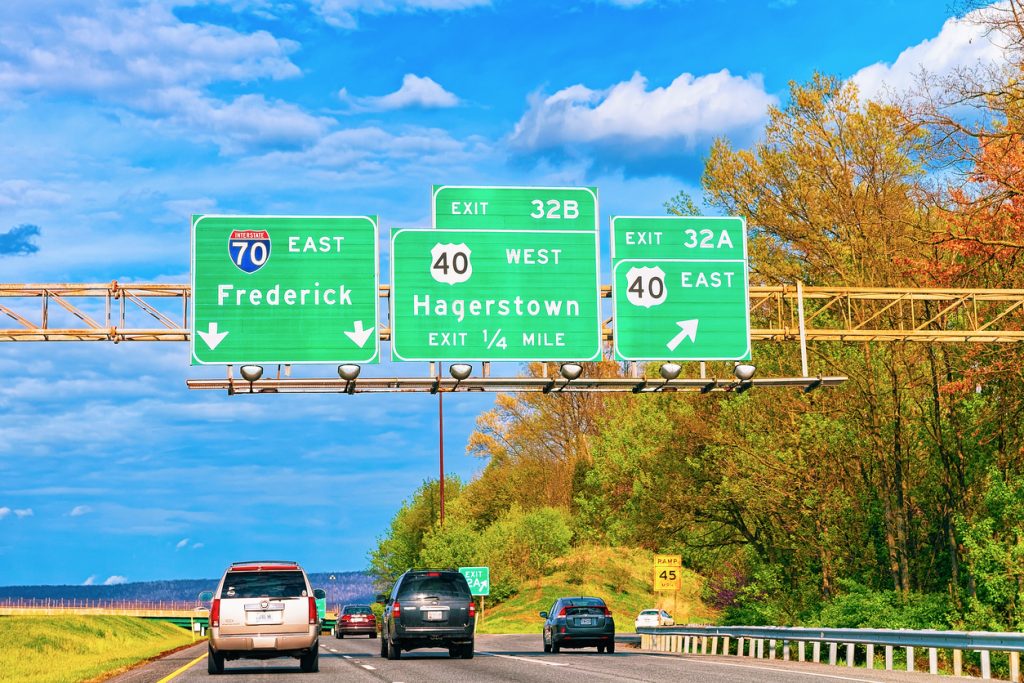
Industrial space is critical to how businesses operate and is less forgiving of inefficiencies. As delivery expectations shorten and supply chains adjust, businesses need space that supports speed, reliability, and flexibility. Western Maryland’s location along major transportation corridors makes it attractive for industrial and distribution centers, particularly in Washington County and parts of Frederick County. Among the most consistent commercial real estate trends in Western Maryland has been the steady demand for well-located industrial space.
- In Frederick County, industrial demand has grown steadily, supported by both regional distribution needs and life-science-related uses. Spaces that support modern operations continue to perform better than older facilities that are not designed for today’s workflows.
- In Washington County, distribution and logistics uses have expanded over the past decade, bringing new construction and increased activity. In some cases, new deliveries temporarily increased vacancy, but demand for well-located, functional space has remained strong.
- In Montgomery County, industrial space is more limited and often more specialized. Flex and light industrial properties tend to command higher rents and are in shorter supply than in other parts of Western Maryland.
Over the past decade, demand has risen, and new construction has increased to meet it. In some areas, that has meant temporary increases in vacancy.
- For business owners, this means that space that slows down operations, whether through layout, access, or infrastructure, becomes a liability, fast.
- For property owners, it means updating existing spaces or building new structures that meet modern operational needs.
Taken together, these commercial real estate trends show a clear pattern in Western Maryland: properties that support operational efficiency and long-term adaptability tend to outperform those that rely on past assumptions.
Suburban Office Space
Office space has changed more than any other property type, and the change isn’t only related to the increase in remote and hybrid work.
Post-pandemic, many businesses have realized they don’t need the same amount of space; they need the right kind of space.
- In Frederick County, office demand has been more stable. Much of the market is tied to medical, government, and professional services that still rely on in-person work, which has helped support occupancy. A decrease in available square footage over the past 10 years indicates a trend toward repurposing office properties for other uses and demolishing older properties for redevelopment.
- In Washington County, office space plays a smaller, more local role. Demand is largely driven by professional services, healthcare, and government-related uses rather than large suburban office campuses.
- In Montgomery County, this shift has contributed to higher vacancy rates, particularly in older office buildings that haven’t been updated or no longer align with how teams work today.
For tenants, office decisions in 2026 are less about square footage and more about purpose.
- Does this space support collaboration?
- Does it make sense for employees?
- Does it justify the cost?
For owners, the question is similar. Buildings that haven’t been updated or don’t support modern workflows often require greater incentives, reinvestment, or a new strategy altogether.
Medical Offices
Medical office space has remained relatively steady, but expectations have evolved. Healthcare providers increasingly value convenience for both patients and staff. Many practices prefer locations closer to where people live, shop, and work, rather than traditional office parks. That shift affects how space is evaluated. Medical properties illustrate how commercial real estate trends in Western Maryland are shaped by population growth and access to care.
- In Frederick County, population growth has sustained demand for outpatient care, clinics, and specialty practices, particularly in areas of residential growth.
- In Washington County, medical offices often serve a broad local and regional population. Stability tends to favor well-located, well-maintained buildings that support everyday care needs.
- In Montgomery County, medical office demand is shaped by access, convenience, and proximity to established healthcare networks. Competition can be stronger, and location plays a significant role in long-term performance.
For property owners, medical offices can offer consistency, but only when buildings are reliable and well-maintained. For tenants, long-term leases must account for how healthcare delivery changes over time.
What Commercial Real Estate Trends in Western Maryland Mean for Owners and Tenants in 2026
Understanding commercial real estate trends is no longer optional for owners and tenants in Western Maryland who are seeking to make a long-term commitment. Across retail, industrial, office, and medical properties, a few realities now shape decision-making:
- Space has to actively support how a business operates
- Older properties may need updates to stay competitive
- Flexibility matters more than it used to
- Local conditions vary — what works in one county may not work in another
If the past decade made one thing clear, it’s that commercial investments and properties are most successful when they’re aligned with real-world use, not past assumptions.
Commercial Real Estate Trends in Frederick County, Maryland
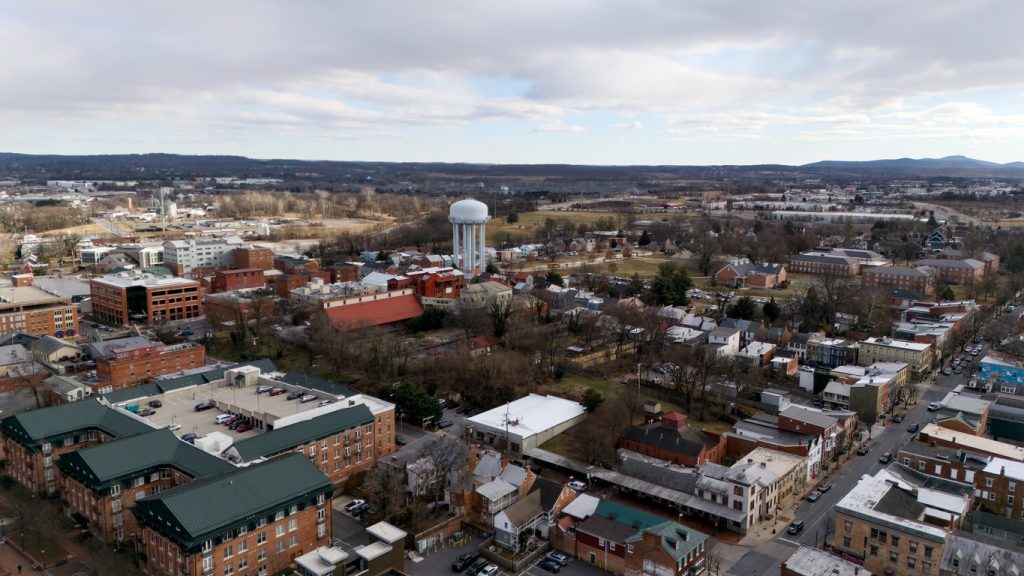
These figures illustrate how commercial real estate trends in Western Maryland have translated into measurable changes over the past decade. Neighboring county statistics are available upon request.
Frederick Office Vacancy
2016: 11.1%
Gross Square Footage: 8,991,316
2026: 10.7%
Gross Square Footage: 8,932,144
10 Yr. SF Growth: (59,172)
Frederick Retail Vacancy
2016: 7.2%
Gross Square Footage: 13,421,197
2026: 4.3%
Gross Square Footage: 13,966,167
10 Yr. SF Growth: 544,970
Frederick Industrial Vacancy
2016: 4.5%
Gross Square Footage: 25,723,278
2026: 3.0%
Gross Square Footage: 20,498,477
10 Yr. SF Growth: 5,224,801
About Aushco
Aushco is a commercial real estate firm serving property owners, investors, tenants, and businesses across Maryland and Northern Virginia. We work at the intersection of brokerage, property management, and leasing, which gives us a practical view of how decisions play out over time. Our focus is on clear communication, realistic planning, and helping clients make informed choices about their properties.
Contact us to schedule a consultation.