
Why Commercial Roof Inspections Should Happen in Spring
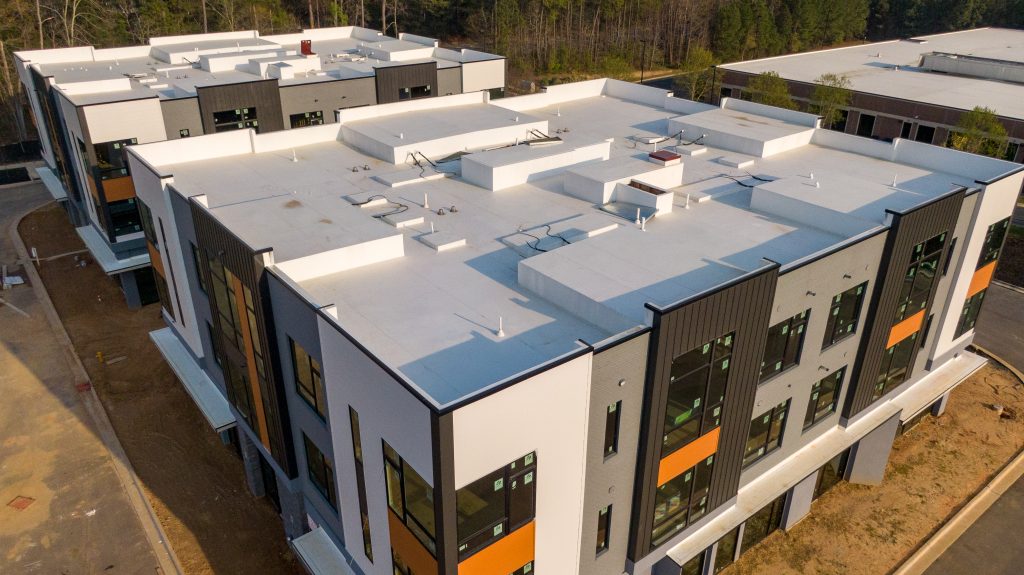
A water stain on a ceiling tile is rarely a surprise to anyone who has been managing a building for a while. What surprises most property owners is the size of the repair bill that follows, and how long the underlying issue had been developing before anyone noticed it.
Commercial roofs don’t fail suddenly. They fail gradually, through small breaches at seams and flashings, through drainage that isn’t clearing properly, through sealant that has dried and cracked around rooftop equipment. None of these show up from inside the building until they’re already a problem. An annual inspection is the tool that catches them while they’re still inexpensive to address.
Most commercial property owners skip it.
When Is the Best Time for a Commercial Roof Inspection?
Spring is the best time of year for a commercial roof inspection. Winter conditions are over, so the surface is dry, accessible, and no longer obscured by snow or ice. Summer heat hasn’t arrived yet, which matters more than most owners realize.
A roofing technician working in July heat moves faster than one working in April or May. In comfortable temperatures, an inspector takes their time. They look carefully at membrane condition, seam integrity, drainage patterns, and the condition of flashings around HVAC units and roof penetrations. The quality of that inspection is directly related to how long the inspector can comfortably stay on the roof.
Scheduling in the spring also creates the right window for follow-up. If an inspection identifies an issue that needs attention, there is still time to schedule a repair before summer rainfall and thermal expansion place additional stress on the building. An issue found in April or May is typically a maintenance item. The same issue found in August, when it’s already leaking, is an emergency maintenance expense that extends beyond the roof into the building, where the leak causes damage.
Why Most Property Owners Skip Roof Inspections
The most common reason commercial roof inspections get deferred is that there’s no visible sign of a problem. The roof is out of sight. Nothing is leaking. There are other, more immediate priorities in the building.
This is the maintenance gap that creates the most expensive repairs. A roof with a compromised seam or improperly draining section can sustain water damage for months before it becomes visible from inside the building. By the time a tenant calls about a stain on the ceiling, the issue has usually been present through at least one full weather cycle.
Reactive repair costs significantly more than preventive maintenance. An annual inspection, paired with minor repairs as needed, keeps a commercial roof performing reliably throughout its designed lifespan.
Does Skipping an Inspection Affect Your Roofing Warranty?
Many commercial roofing manufacturers require annual inspections by a qualified contractor to keep the warranty valid. This requirement is included in the warranty terms and is frequently overlooked by building owners, who assume coverage is automatic.
The inspector must typically be certified to work on that specific roofing system. A general contractor who isn’t credentialed for the manufacturer’s product may not satisfy the requirement, even if they perform a thorough inspection. Before scheduling, confirm that the contractor holds the appropriate manufacturer certification for your roof type.
If you have never reviewed the warranty documentation for your commercial roof, now is a practical time to do it. Confirm what the inspection requirement is, who is qualified to perform it, and whether your current maintenance history satisfies the terms.
What Does a Commercial Roof Inspection Cover?
A qualified commercial roof inspection covers the membrane or surface condition, flashings around all penetrations and edges, drainage and ponding water patterns, caulking and sealant integrity, and the condition of rooftop equipment connections.
A thorough inspection will address the following key areas:
- Membrane or surface material condition, including bubbling, cracking, or shrinkage
- Seam and lap integrity across the full roof surface
- Flashing condition at walls, parapets, drains, and equipment curbs
- Drainage flow and any areas where water is ponding after rain
- Sealant condition around HVAC units, exhaust fans, and roof penetrations
- Evidence of prior repairs and whether they are holding
The written report from an inspection provides property owners and managers with a documented baseline of property condition. That record is useful for warranty purposes, for capital planning, and for communicating with tenants when maintenance work is scheduled.
How Roof Inspections Support Property Management
Proactive maintenance, including annual roof inspections, is one of the most direct ways for a property management team to demonstrate value to building owners.
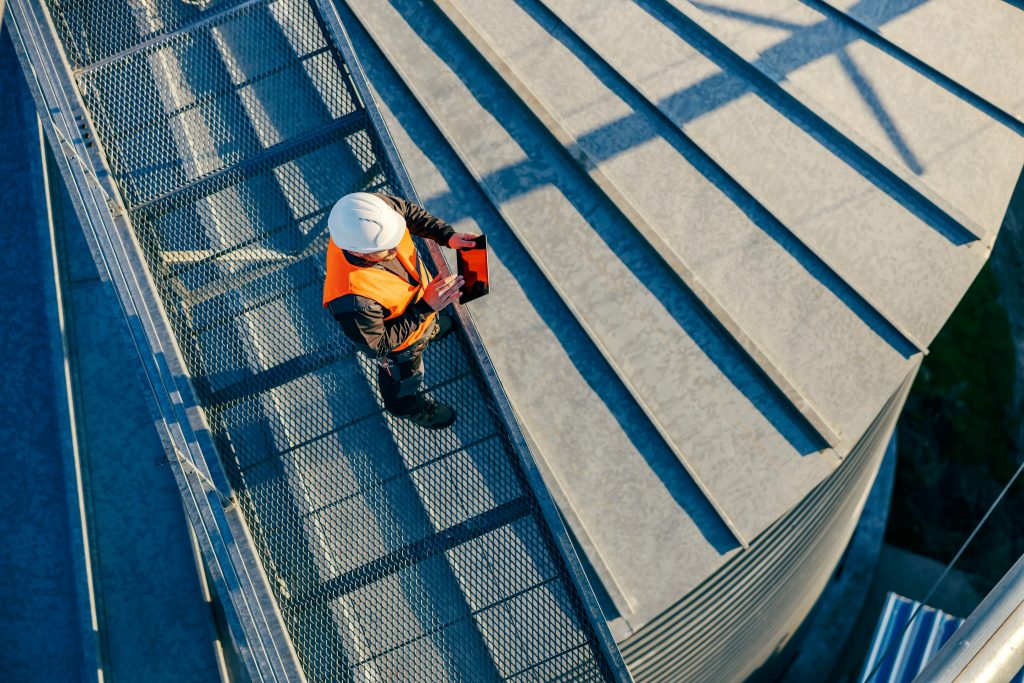
At Aushco, spring roof inspections are part of a coordinated annual maintenance schedule. Our in-house maintenance team coordinates inspections with qualified roofing contractors, reviews the findings, and manages any follow-up repairs. Building owners receive a clear summary of the roof’s condition and any recommended work, without having to manage the process themselves.
For property owners who self-manage, this is one of the tasks most likely to get deferred during a busy operating period. Bringing it into a managed maintenance program ensures it gets done on schedule every year, with proper documentation.
Aushco Provides Property Management and In-House Maintenance Services
If you own or manage commercial property in Frederick County, Washington County, or the surrounding region, spring is the right time to schedule your annual roof inspection. A qualified inspection protects your warranty, creates a documented record of the condition, and gives you time to address any issues that surface before summer weather arrives.
To learn more about Aushco’s property management and in-house maintenance services, visit our Property Management page or contact us directly.