
Medical Office Properties: The Right Investment in Frederick, MD
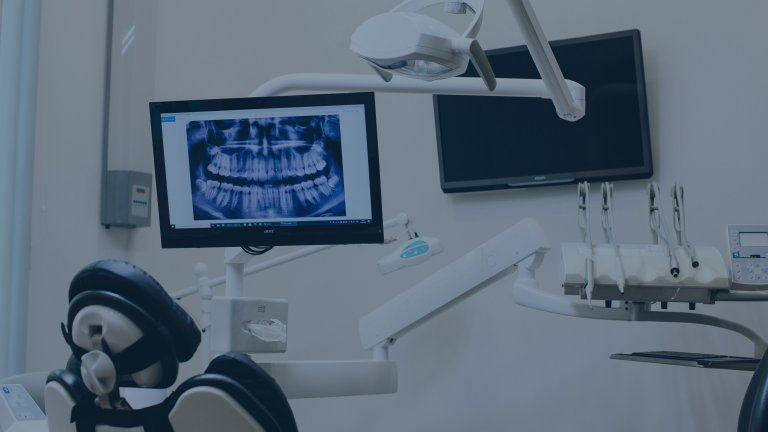
Medical office buildings have earned a reputation as one of the most stable investments in commercial real estate. Long-term leases, recession-resistant tenants, and continued growth in outpatient healthcare make them an attractive option for investors looking to build wealth through commercial real estate.
But the best investments aren’t found by looking at cap rates alone. Successful medical office investments come down to understanding tenant demand, healthcare trends, and the local market.
In Frederick County, healthcare continues to expand alongside population growth, creating opportunities for investors who know where providers want to be and what types of space they need. The right medical office building can provide dependable cash flow for years. The wrong one can struggle to attract the right tenants, regardless of how attractive the property appears on paper.
Medical Tenants Have Requirements Most Buildings Weren’t Built For
This is where medical office investing separates itself from traditional office real estate. Healthcare providers have specialized infrastructure requirements that many commercial buildings simply weren’t designed to support. Understanding those requirements before acquiring a property can make the difference between attracting quality tenants and owning a building that’s difficult to lease.
Power capacity is one of the first considerations. MRI machines, imaging equipment, and other diagnostic technologies require significantly more electrical capacity than a traditional office. Buildings without adequate service may require costly utility upgrades before they can accommodate certain medical specialties.
Medical gas systems are another important factor. Practices that perform procedures or offer sedation often need oxygen, nitrous oxide, and vacuum lines integrated into the building. Installing these systems after construction can be expensive and time-consuming.
HVAC systems also play a critical role. Procedure rooms and sterile environments require more precise temperature, humidity, and air circulation than a standard office building can typically provide.
Structural design matters as well. Imaging equipment, dental chairs, and other specialized equipment create concentrated floor loads that must be supported by the building. Vibration from elevators, mechanical rooms, or heavy foot traffic can also impact sensitive medical equipment, making the suite location within the building an important consideration.
The interior layout can significantly influence a property’s appeal. Well-designed medical offices place administrative and staff workspaces near natural light while positioning exam and treatment rooms toward the interior. This creates a better experience for patients, improves staff productivity, and allows the space to accommodate a wider variety of medical specialties over time.
Medical office projects also require a different development timeline than traditional office space. Specialized construction, regulatory requirements, and permitting often add time to the process, making it important to understand local approval requirements before moving forward.
In Frederick County and the City of Frederick, investors benefit from working with professionals who understand both the commercial real estate market and the local development process.
Partnering with experienced firms such as Aushco, which has extensive experience navigating local permitting, approvals, and construction, can help identify potential challenges early and keep projects moving efficiently from acquisition through completion.
Beyond the Walls: Site and Access Factors That Matter Just as Much
Infrastructure inside the suite is only part of the picture. Where the building sits, and how patients actually move through it, carries just as much weight.
- Access — clear entry, good signage, ADA-compliant paths. This matters more for medical tenants than almost any other commercial use, given how many patients are mobility-impaired or elderly.
- Parking — medical visits are appointment-driven and time-sensitive. Bad or insufficient parking is one of the most common reasons both patients and practices avoid a building.
- Proximity to complementary healthcare providers. Medical office buildings located near Frederick Health Hospital, outpatient campuses, imaging centers, specialty practices, laboratories, and pharmacies often benefit from established referral networks and greater convenience for both providers and patients. Easy access to major corridors such as U.S. 15, I-70, and I-270 also makes a location more attractive for healthcare providers serving patients throughout Frederick County and the surrounding region.
- Proximity to everyday amenities. Locations near restaurants, coffee shops, banks, fitness centers, and other daily conveniences can improve the experience for both staff and patients. In Frederick, medical offices located near established commercial areas such as Westview South, Clemson Corner, or along the Route 26 and Route 85 corridors often provide the accessibility and amenities that today’s healthcare practices value.
- Who else is in the building — noise, hours, foot traffic. Compatibility between tenants affects patient experience and staff satisfaction more than people expect.
None of this shows up cleanly on a rent roll or in a cap rate calculation. But it’s exactly what determines whether an MOB re-leases quickly to a strong tenant — or sits vacant while it waits for the rare practice that can work within its limits. The investors who do well here evaluate a building the way a physician evaluates a space to practice in: infrastructure first, then layout, then location.
Why Frederick, MD
Frederick has a real advantage here. It sits within reach of both the Washington, D.C., and Baltimore metropolitan areas, is home to an expanding regional healthcare network, and continues to experience steady population growth that fuels demand for outpatient and specialty care.
Frederick Health, the county’s only hospital, anchors more than 25 locations and employs over 4,000 team members across the region. Its medical footprint now extends well beyond the main hospital campus, and the surrounding market has evolved around several key healthcare corridors.
Thomas Johnson Drive has become one of Frederick’s premier medical office locations. Just minutes from Frederick Health Hospital, it attracts specialists and medical practices that value close proximity to the hospital without being located on campus.
Ballenger Creek and Westview South have developed into major healthcare and business destinations, offering modern medical office space with excellent access to I-270, I-70, and U.S. 15. These areas continue to attract outpatient providers serving Frederick’s growing southern corridor.
Frederick Health Village is perhaps the best example of how the market is evolving. Designed as a purpose-built outpatient healthcare campus, it brings together medical providers, modern facilities, and the infrastructure needed to support today’s healthcare delivery model.
It’s also important to look beyond Frederick County itself. The region is within an hour of numerous major healthcare systems, including Johns Hopkins Medicine, the University of Maryland Medical System, INOVA Health, and WellSpan Health. That broad regional network creates referral opportunities and reinforces Frederick’s position as a strategic location for healthcare providers. For investors, that means demand is supported by more than a single hospital. It’s part of a larger, interconnected healthcare market with long-term growth potential.
The Bottom Line
Frederick County’s continued growth and expanding healthcare network are creating strong opportunities for medical office investment. But the best opportunities are defined by more than price or cap rate. Long-term success depends on location, infrastructure, tenant demand, and a building’s ability to support modern healthcare providers.
Every medical office investment has unique considerations, from zoning and permitting to specialized building requirements. Understanding how those factors fit within Frederick’s evolving healthcare landscape can help investors make more informed decisions.
Medical office investing is rarely a solo effort. The strongest projects are backed by professionals who understand the local market and the development process. In Frederick, that includes trusted partners like Aushco, whose experience with site planning, permitting, and construction helps bring medical office projects from concept to completion.
Aushco Commercial Real Estate aushco.com