
Parking, Proximity, and Patient Access: The Overlooked Factors in Medical Site Selection
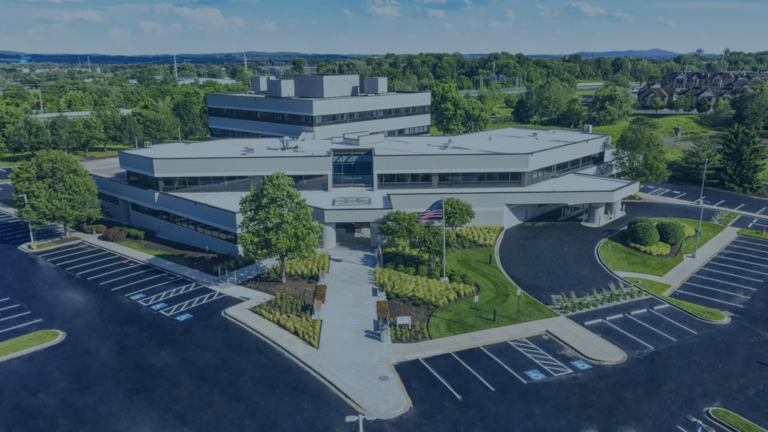
For medical tenants, the building is part of the patient experience. Parking, visibility, accessibility, wayfinding, and proximity to other providers can all affect how easy it is for patients to get to an appointment—and how well a location works for the practice.
For medical property owners in Frederick, those factors matter well beyond the initial lease. A space can look strong on paper and still create everyday friction that makes it harder for a medical tenant to operate, grow, and ultimately renew.
Why the Patient Experience Matters to Property Owners
Patients may arrive on a tight schedule, with mobility limitations, or already stressed about an appointment. When parking is difficult, entrances are hard to find, or getting to the suite is confusing, that friction becomes part of their experience with the practice.
For property owners, these details can directly affect how well a location serves a medical tenant. A building may offer competitive rent, the right square footage, and a strong location, but if patients consistently struggle to access it, the tenant may eventually look for a space that better suits their practice.
What Medical Tenants Need From a Location
Several property and location factors can make a meaningful difference in how well a medical space works for both the practice and its patients.
Parking capacity and visibility. Medical visits are appointment-driven, making convenient parking especially important during busy morning and midday hours. Owners should consider not only the number of available spaces but also how parking demand changes throughout the day and whether patients can easily identify where to park.
Wayfinding and accessibility. Clear signage and an obvious, accessible path from the parking area to the medical suite are especially important for practices serving older adults and patients with mobility challenges. Patients should be able to understand where to go as soon as they enter the property.
Proximity to complementary providers. Referral networks can be an important consideration for medical practices. Locations near hospitals, specialists, imaging centers, laboratories, pharmacies, and other healthcare providers can make coordination more convenient for both practices and patients.
Proximity to everyday amenities. Nearby pharmacies, restaurants, coffee shops, banks, and other services can make appointments easier to incorporate into a patient’s day. For employees, those same amenities can also make a location more attractive as a place to work.
Regional access. Convenient access to US-15, I-70, and I-270 can expand the area a medical practice can realistically serve. This can be particularly important for specialty providers drawing patients from throughout Frederick County and the surrounding region.
The surrounding tenant mix. Other businesses on a property can also influence the experience. Operating hours, noise, traffic, and parking demand from neighboring tenants should be considered when determining whether a space is well-suited for medical use.
These factors may not be immediately obvious on a rent roll or listing sheet, but they can play an important role in whether a medical tenant is successful—and whether that tenant wants to stay.
Aushco Pro-Tip: Before listing or repositioning a medical space, experience the property the way a patient would. Park in the lot, find the entrance, follow the signage, and walk to the available suite. Small frustrations that are easy to overlook as an owner may be much more noticeable to someone arriving for an appointment.
Why Location Matters in Frederick’s Medical Market
Frederick’s healthcare footprint extends well beyond the main hospital campus, creating multiple areas where medical practices can serve patients throughout the county.
Established medical corridors such as Thomas Johnson Drive offer proximity to Frederick Health Hospital and a concentration of healthcare providers. Areas around Ballenger Creek, Westview, and the Route 85 corridor provide convenient access to I-270 and I-70, along with nearby retail and services. Other outpatient locations throughout the Frederick area give practices additional opportunities to reach patients outside of the traditional hospital setting.
For property owners, the takeaway is that location should be evaluated from the perspective of the practice and its patients. A strong medical property isn’t simply close to healthcare—it should also be easy to reach, easy to navigate, and well-positioned for the population the tenant serves.
How Aushco Approaches Medical Property Positioning
At Aushco, we look beyond square footage and ask for rent when evaluating how a property can serve a medical tenant. That means considering the factors that affect the practice’s day-to-day operations and the patient’s experience with the property.
Depending on the property, that may include:
- Evaluating parking availability and peak-hour demand
- Identifying nearby healthcare providers and potential referral sources
- Reviewing accessibility, signage, and wayfinding
- Considering regional access and surrounding amenities
- Evaluating the neighboring tenant mix
- Positioning the property around the needs of prospective medical users
Whether you’re preparing a medical space for lease, repositioning an existing property or looking for ways to better support your current tenants, understanding these factors can help protect occupancy and strengthen the long-term value of the property.
The Bottom Line
The strongest medical properties aren’t necessarily the newest buildings. They’re the properties that make it easier for practices to serve their patients.
Convenient parking, clear access, strong regional connectivity, nearby healthcare providers, and the right surrounding tenant mix can all contribute to a location that works better for medical users—and gives tenants more reasons to stay.
If you own or manage medical property in Frederick and want to better position it for current or prospective tenants, contact Aushco to discuss your property.
Email: info@aushco.com
Phone: 240-578-4220