
6 Spring Maintenance Priorities for Commercial Properties
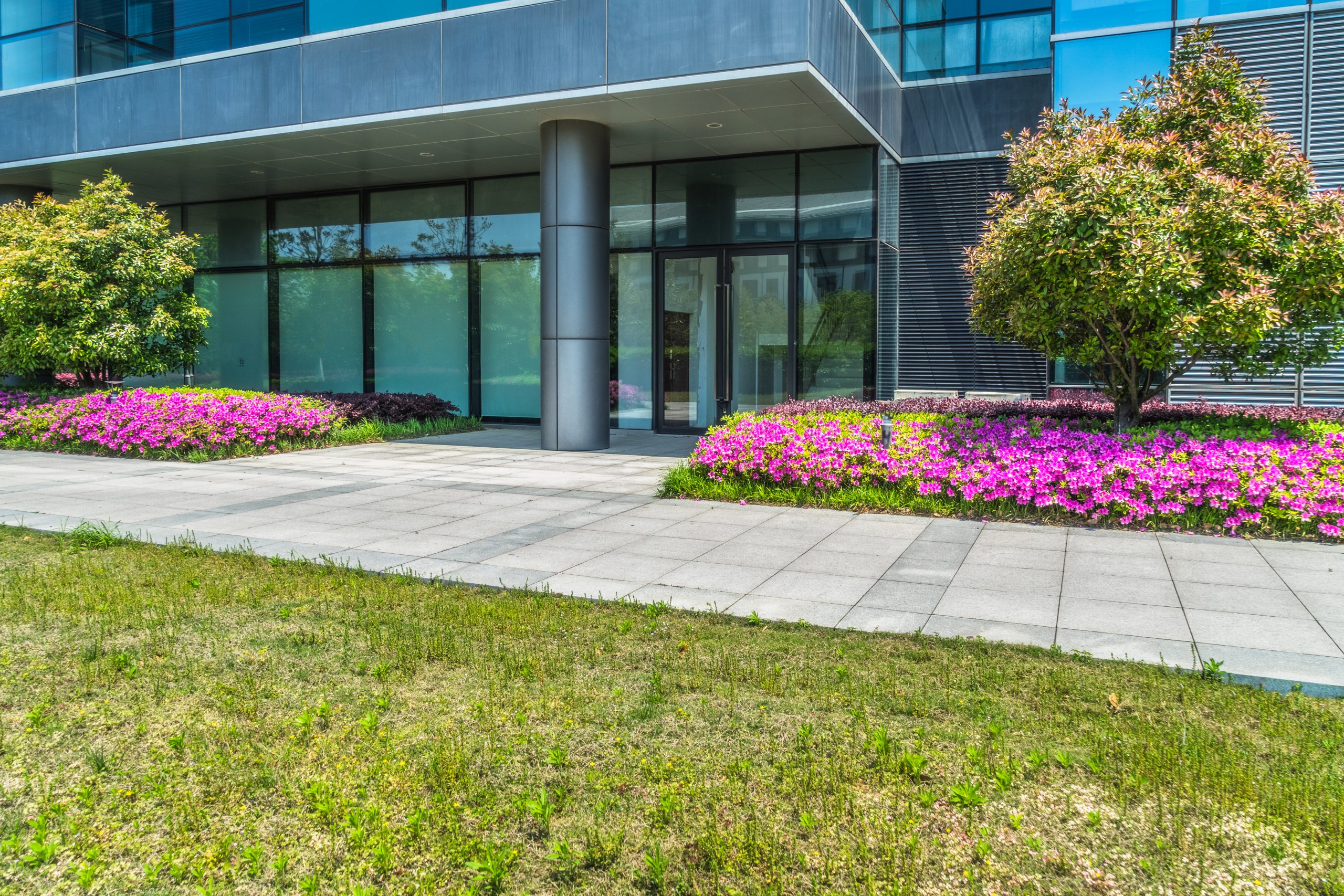
Spring maintenance is all about timing. The freeze-thaw cycles of a Maryland or Northern Virginia winter leave behind damage that is not always visible until temperatures rise and rain arrives. Cracks widen, HVAC systems lose efficiency, and roofing materials shift in ways that only start to show under spring conditions.
For commercial property owners, spring is the most practical window to inspect, repair, and prepare before summer demand hits. The work isn’t complicated, but putting it off can create compounding issues that are far more expensive to address later.
Addressing these six spring maintenance priorities for commercial properties protects your building, your tenants, and your bottom line.
Priority #1: Conduct a Full Exterior Property Inspection
A comprehensive exterior inspection is the foundation of every effective spring maintenance plan. Winter weather wear accumulates quietly. A structured walkthrough in early spring catches issues before they escalate into safety hazards or costly repairs.
During your inspection, focus on these areas:
- Sidewalks, parking lots, and pavements: Look for cracks, potholes, or lifting caused by freeze-thaw cycles
- Roofing materials: Look for signs of leaks, missing shingles, or storm damage
- Exterior walls, windows, and doors: Look for water intrusion, insulation gaps, or deterioration
- Building signage: Look for weather-related fading, damage, or visibility issues
- ADA-accessible routes and entryways: Look for compliance and safety
Use a written checklist rather than relying on memory or a casual walkthrough. Document what you find, take photos, and prioritize by safety, tenant impact, and cost. This can also help you track year-over-year building conditions.
Priority #2: Service HVAC Systems Before Summer Demand
Spring is the most cost-effective time to service commercial HVAC systems. Cooling units that sit idle through winter may not perform reliably when temperatures climb, and waiting until summer means competing with every other building owner for the same service providers.
Schedule these HVAC maintenance tasks before warm weather arrives:
- Replace air filters to improve system efficiency and indoor air quality
- Inspect ductwork for leaks or disconnections that cause energy loss and higher utility bills
- Check refrigerant levels and confirm compressor operation
- Test and replace thermostat batteries to ensure accurate temperature control
- Schedule a full inspection with a qualified HVAC technician for rooftop or central systems
HVAC failure during a heat wave disrupts tenants, triggers emergency repair costs, and damages trust. Preventive service in spring is one of the simplest ways to avoid that outcome. When choosing a service provider, consider one with experience in commercial systems and familiarity with your area.
Priority #3: Repair Parking Lots and Sidewalks Early
Winter freeze-thaw cycles cause cracking, potholes, and uneven surfaces in parking lots and sidewalks, which create safety hazards and ADA compliance concerns. Spring repair is significantly less expensive than full resurfacing and extends the life of your pavement by years.
Key areas to address:
- Fill potholes and seal cracks in asphalt before they spread
- Repaint faded parking lines, directional markings, and handicapped spaces
- Level uneven sidewalk sections that create tripping hazards
- Check exterior lighting in parking areas and along walkways for burned-out bulbs or dark spots
- Remove any residue left from winter snow and ice treatment operations
Repairing a parking lot is far less costly than replacing one. Regular spring attention to pavement keeps lots safer, extends their useful life, and signals to tenants and visitors that the property is well cared for.
Priority #4: Inspect the Roof Before Spring Rain Season
Roof leaks rarely announce themselves before the damage spreads. A proactive spring roof inspection catches small issues before they become water damage, mold problems, or emergency capital expenses.
During your roof inspection, look for:
- Leaves, branches, and debris that clog gutters and drains
- Signs of water pooling on flat roof sections
- Cracked or deteriorated flashings around vents, skylights, and HVAC units
- Missing, loose, or damaged roofing materials
- Any evidence of interior water stains that could indicate an active leak
Hire a commercial roofer to perform this work before the summer heat arrives. Cooler spring temperatures make for safer, more thorough inspections. A well-maintained roof protects everything underneath it.
Priority #5: Refresh Landscaping and Outdoor Areas
The exterior of a commercial property is the first impression for prospective tenants, clients, and visitors. According to the National Association of Realtors, curb appeal directly influences how people perceive the quality of a building and the businesses inside it.
Prioritize these landscaping tasks in early spring:
- Remove fallen branches, leaves, and winter debris from lawns, beds, and common areas
- Trim overgrown trees and bushes to improve aesthetics and eliminate safety hazards
- Add fresh mulch and replant seasonal flowers in high-visibility areas near entries and parking
- Clean outdoor seating, signage, and any shared tenant spaces
Schedule landscaping cleanup before the mowing season begins. Once mowing season starts, most crews are fully booked with weekly maintenance, and it becomes harder to get the initial spring work on the calendar.
Priority #6: Update Pest Control Measures
Warmer temperatures bring pests out of dormancy, and commercial buildings with gaps in exterior walls, unsealed loading docks, or neglected dumpster areas are easy targets. Proactive prevention in spring is significantly more cost-effective and less disruptive than treating an active infestation.
Take these preventive steps before pest activity increases:
- Schedule a professional pest inspection and treatment with a licensed provider
- Check and seal gaps, cracks, and openings in the building exterior where pests might enter
- Ensure trash and dumpster areas are cleaned regularly and properly enclosed
- Fill bait stations and pre-treat before insects and rodents become active
Pest control is one of those maintenance items that costs very little when handled early and becomes a much bigger problem when put off or ignored. A single complaint about pests can do more damage to tenant retention than a dozen small repairs.
Stay Ahead This Spring with Aushco
Spring is a season of renewal, and a well-maintained property is a profitable one. By taking a proactive approach, you can increase tenant satisfaction, reduce long-term costs, and enhance the overall value of your commercial building.
At Aushco, we work with commercial property owners to implement efficient and strategic maintenance plans that keep your investment performing and your tenants satisfied. Contact Aushco today, and let’s prepare your commercial property for a successful spring.